
MSU Veterinary Diagnostic Laboratory Wins Statewide Energy Efficiency Award
Tierra Nelson
July 29, 2026
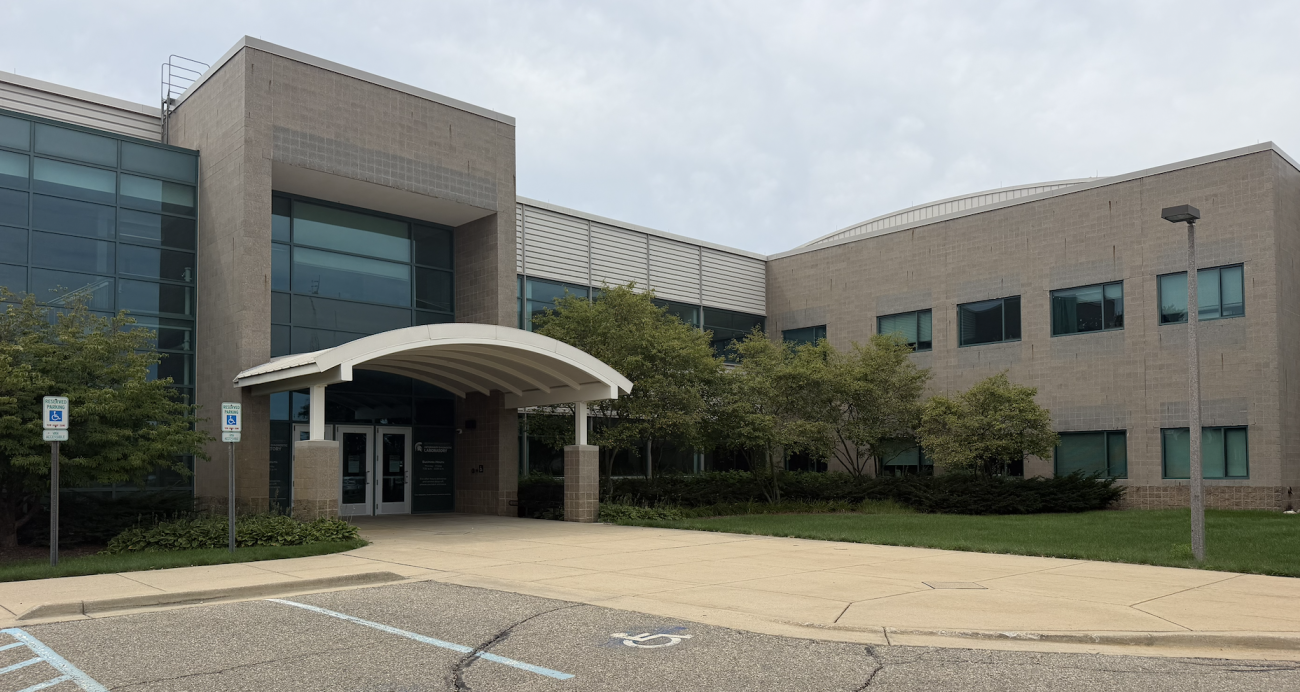
Michigan State University's Veterinary Diagnostic Laboratory (MSU VDL) has been named the winner of the Healthcare & Science category in the 2025 Michigan Battle of the Buildings competition, earning statewide recognition for a series of facility improvements that reduced the building's energy use by 22%.
As the diagnostic arm of the College of Veterinary Medicine, the MSU Veterinary Diagnostic Laboratory is a full-service, fully accredited facility that provides critical animal health services for Michigan and beyond. Supporting a complex environment that operates around the clock requires specialized equipment, advanced ventilation systems, and reliable infrastructure.
Between 2024 and 2025, Infrastructure Planning and Facilities (IPF) and MSU VDL implemented six strategic projects focused on energy efficiency, safety, and operational reliability. While each project addressed a unique building need, together they significantly improved the facility's overall performance.
The projects included:
- Incinerator Refractory and Burner Replacement
- Boiler Deaerator System Optimization
- Walk-in Cooler Refrigeration System Upgrade
- Laboratory HVAC Controls Modernization
- Advanced HVAC Control Optimization
- Campus-Wide Thermostat Setpoint Optimization
The improvements leveraged advanced building controls, high-efficiency equipment, improved insulation, and demand-based operating strategies. A major component of the work involved connecting systems to the Building Automation System, allowing building performance to be monitored, adjusted, and optimized in real time.
One of the most impactful projects modernized laboratory HVAC controls by converting hundreds of pneumatic controllers to Direct Digital Controls (DDC). This upgrade improved airflow management, enhanced pressurization control, enabled demand-based ventilation strategies, and established a digital foundation for future optimization efforts.
Another key initiative standardized seasonal temperature setpoints across portions of the facility. By implementing temperatures of 68°F during winter months and 75°F during summer months, the project reduced heating and cooling demand while maintaining the environmental conditions required for laboratory operations.
Together, the six projects resulted in a 22% reduction in Weather Normalized Source Energy Use Intensity (EUI), driven largely by a 34% reduction in natural gas consumption. The improvements also reduced greenhouse gas emissions by 1,866 metric tons of carbon dioxide equivalent, representing a 19% overall emissions reduction.
Beyond energy savings, the upgrades improved safety, operational reliability, indoor air quality, and long-term system performance. For example, the Incinerator Refractory and Burner Replacement project addressed deteriorating refractory materials that had compromised system integrity, reducing risk while improving combustion efficiency and reliability.
The award highlights how strategic investments in campus infrastructure can advance sustainability goals while supporting the critical teaching, research, and service missions that take place within MSU facilities every day.
Congratulations to the Veterinary Diagnostic Laboratory, IPF teams, and campus partners whose efforts contributed to this achievement.