Understanding Groundwater: Protecting a Vital Resource for Our Region
Tierra Nelson
June 15, 2026
Groundwater is one of our most valuable, and often unseen, natural resources. Beneath the Earth’s surface, it quietly supports daily life across the Lansing metropolitan region, supplying drinking water, sustaining ecosystems, and powering homes, campuses, and industries. At Michigan State University (MSU) and across the tri-county area, protecting this resource is a shared responsibility and a long-term commitment.

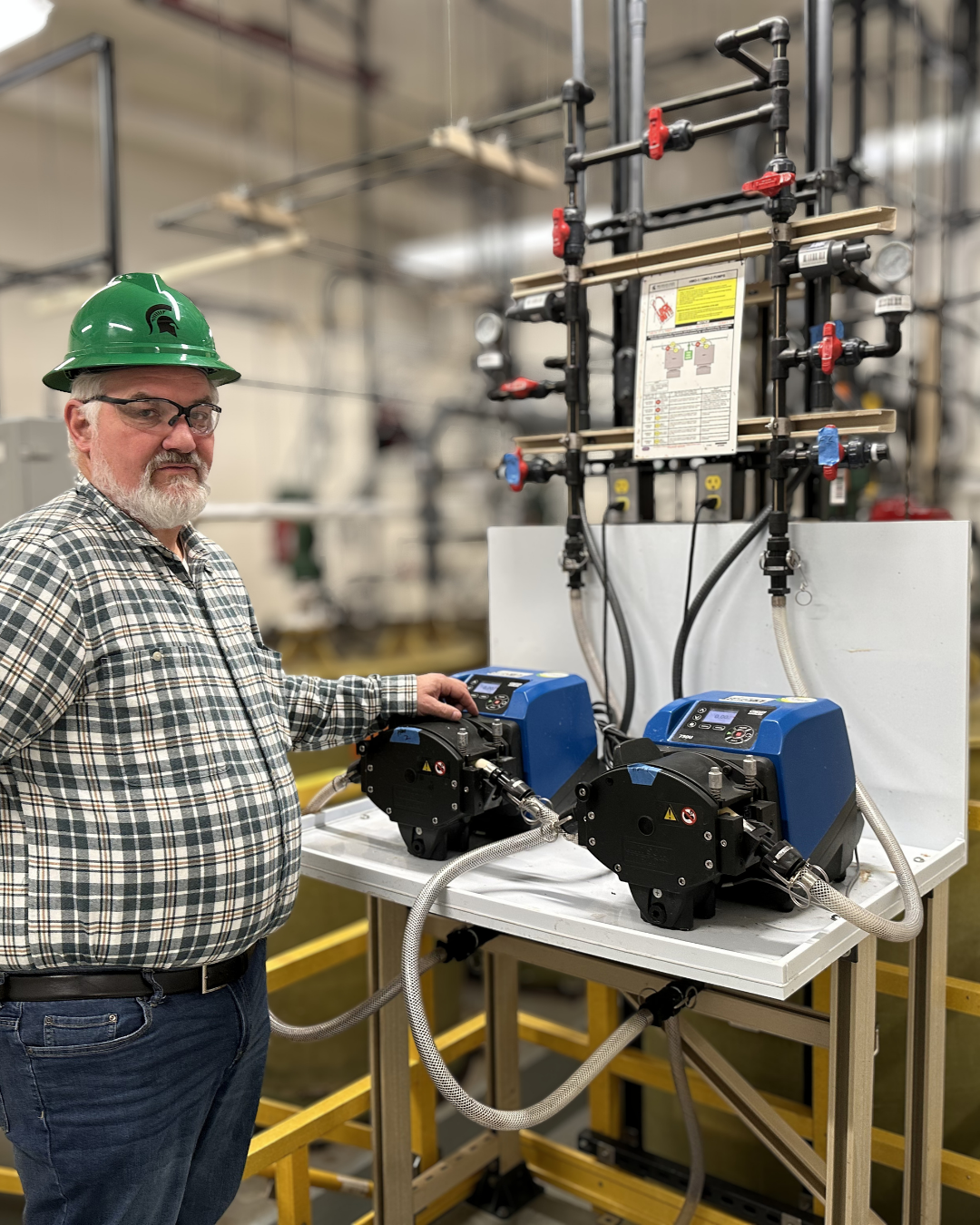
This commitment is reflected in the leadership of Tom Silsby, Skilled Trades Supervisor at Michigan State University’s Infrastructure Planning and Facilities (IPF). Silsby, who has worked at MSU since March 2020, oversees the university’s water treatment plant and plays a key role in ensuring the safe and reliable delivery of water to campus. He was recently voted Chair of the Regional Groundwater Management Board, where he represents MSU and helps guide regional groundwater stewardship efforts.
What Is Groundwater?
Groundwater is water found beneath the Earth’s surface, stored in the tiny spaces between soil, sand, and rock, as well as in cracks and fractures in rock formations.
A simple way to think about groundwater is to consider what happens after rain or snow falls. Some water flows across the surface into rivers and lakes, while some soaks into the ground and slowly moves downward. Over time, that water collects in underground formations called aquifers, which act as natural reservoirs supplying water to wells and communities.
Groundwater is essential to daily life. It provides drinking water for homes and communities, feeds wells and springs, supports rivers and wetlands, and plays a critical role in agriculture, especially during dry periods.
In the Lansing and greater metro area, groundwater is particularly important because all drinking water in the region comes from groundwater sources. Unlike other areas that rely on surface water, this region depends entirely on what lies beneath the ground. That reality makes responsible management and long-term planning critical.
Leadership in Regional Groundwater Stewardship
Serving as Chair of the Regional Groundwater Management Board is both an honor and a responsibility for Silsby. The role reflects the trust placed in him by regional partners and underscores MSU’s leadership in water stewardship.
The Board brings together municipalities, utilities, universities, and other major water users across the tri-county area to collaborate on groundwater management. Together, these stakeholders work to protect shared aquifers, plan for future demand, and ensure water quality for residents and businesses.
Why Groundwater Management Matters Right Now
The Lansing metro area supports a wide range of water-intensive activities, including manufacturing, power generation, and municipal water systems. In addition to public utilities, many residents rely on private wells that draw from the same groundwater resources.
Although the region has an abundant groundwater supply, availability does not eliminate risk. Thoughtful stewardship is necessary to ensure this resource continues to meet the needs of future generations. Careful management helps balance drinking water needs, economic development, and energy production while protecting long-term sustainability.

MSU’s Role in the Region
At MSU, groundwater stewardship is closely tied to campus operations. MSU maintains an extensive well field that supplies water to campus and supports the production of steam and electricity used for heating, cooling, and power.
As one of the region’s significant water users, MSU is an active participant in regional groundwater planning. Through IPF, the university works alongside other stakeholders to monitor water use, maintain infrastructure, and ensure campus operations align with broader regional sustainability goals.
One of the MSU Board of Trustee's key priorities is increasing awareness that groundwater use extends beyond municipal systems. Private wells, industrial facilities, and institutional operations all draw from the same aquifer system, most notably the Saginaw Aquifer, which spans much of Michigan and supplies water to a large portion of the state’s population.
Because this aquifer is shared across communities and counties, regional cooperation is essential. The Board focuses on promoting proper maintenance, responsible use, and long-term planning to protect this vital resource.
Responsible groundwater stewardship depends on collaboration. Universities, municipalities, and utilities work together to share information, coordinate initiatives, and support one another when challenges arise, such as water quality concerns or the need for new treatment systems.
By networking and exchanging expertise, regional partners are better equipped to respond to water-related issues and provide informed guidance when policy decisions are needed. This collective approach also supports economic development by helping organizations understand regional water availability and quality as they consider operating in the area.
The Role of Data and Research
Data plays a critical role in groundwater decision-making. Each stakeholder collects water quality data from their own wells, and one of the Board’s ongoing initiatives is compiling this information into a shared regional database.
Having access to collective data allows stakeholders to identify whether concerns are localized or regional, track long-term trends, and make informed decisions about infrastructure investments and treatment needs. This data-driven approach supports both environmental protection and regional planning efforts.
One message Silsby hopes resonates with the public is that groundwater, and water in general, is a precious and increasingly valuable resource. Protecting it requires education, awareness, and shared responsibility.
MSU and its regional partners are committed to safeguarding groundwater for the benefit of the public. Through proactive planning, collaboration, and transparency, the goal is to ensure this essential resource remains safe, reliable, and available for generations to come.
Get Involved
The Regional Groundwater Management Board welcomes public participation. Meetings are open to the public and include opportunities for public comment, similar to city council meetings or town halls. Individuals interested in learning more or applying to become a voting member are encouraged to get involved.
More information about upcoming meetings and engagement opportunities can be found through the Tri-County Regional Groundwater Management website.
City of East Lansing Lansing Charter Township
City of Williamston Meridian Charter Township
Delhi Carte Township Michigan State University
Delta Carter Township Village of Webberville