
Heating and Cooling
Temperature Setpoint Policy
A temperature setpoint policy, aimed at balancing a comfortable working and learning environment while advancing our sustainability goals and demonstrating fiscal responsibility, took effect September 3, 2025. The policy aligns with the 2030 MSU Strategic Plan and our commitment to achieving climate neutrality by 2050. Optimal temperature ranges are defined for offices, classrooms, conference rooms, and common areas on MSU’s East Lansing campus—which may be managed centrally through IPF Central Control via the Building Automation System or locally using individual thermostats. Building occupants using individual thermostats are expected to adhere to this policy. | 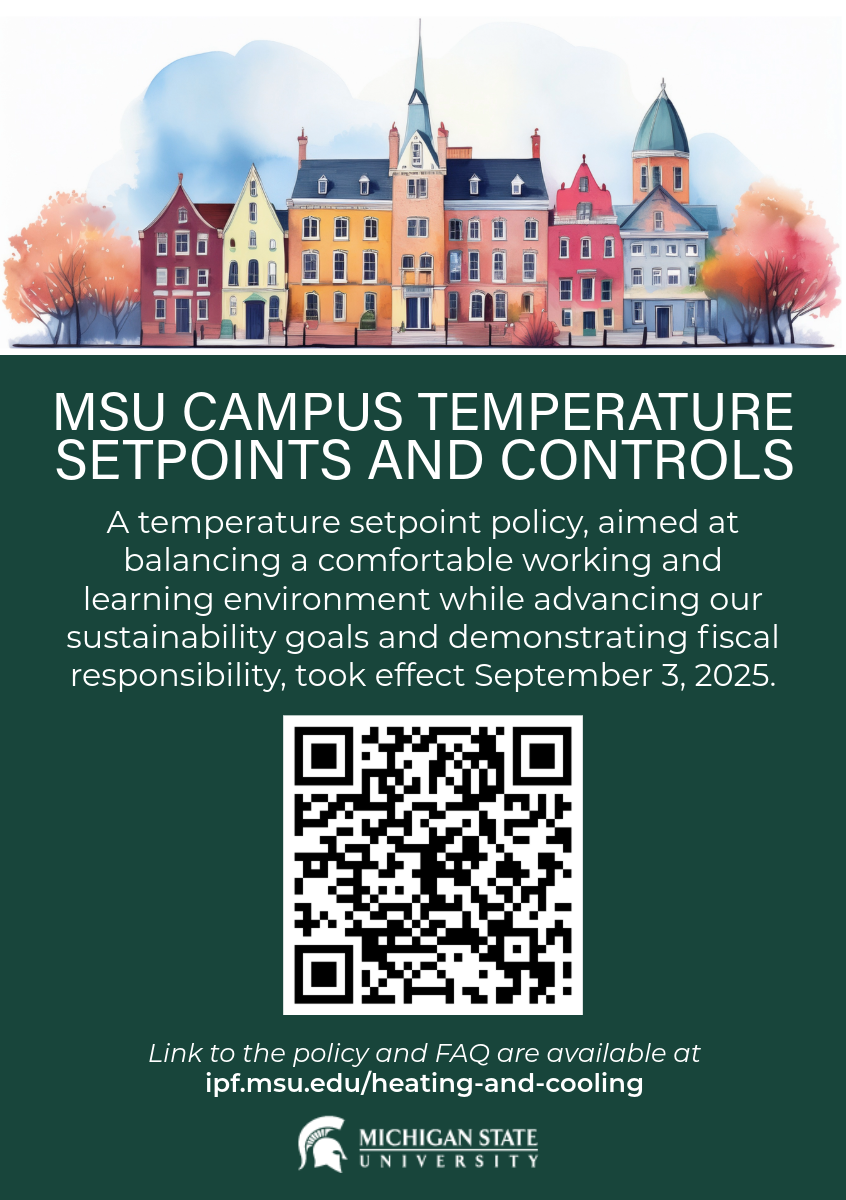 |
Key points:
The policy applies to all general office spaces, classrooms, conference rooms, and common areas on the main East Lansing campus.
Seasonal setpoints:
- 68°F during the heating season
- 75°F during the cooling season
- Temperatures will be maintained within ±2°F when possible.
Exemptions: research, laboratory, and other specialized programmatic spaces, university-owned apartments, and residence halls. Information on the exemption process is below.
Data regarding energy use, cost savings, and CO2 emissions will be reported each semester for review and action by the Executive Vice President of Administration and the Associate Vice President for Strategic Infrastructure Planning and Facilities.
We appreciate your partnership in advancing our stewardship goals and invite you to view the Campus Temperature Setpoints and Controls Policy in its entirety.
FAQ
- What is the effective date for the policy?
The policy was effective on September 3, 2025.
- How much money will MSU save with this policy?
MSU is projected to save ~$550,000 annually in steam and electricity costs by managing temperature setpoints across 3.5 million square feet of space.
- Are there any exemptions to the policy?
Yes. In general, these types of spaces are exempt:
- Laboratory and research spaces that require specific temperature control are exempt.
- Residence Halls and campus apartments.
- Programmatic spaces with specific temperature requirements.
Requests for other exceptions can be submitted for individual review.
If you believe your space has a unique need you can submit a request for a modification. Requests must be submitted using a Service Request. Additional information is available in the policy under "Requesting Services" Tier I through Tier IV.
- Can space heaters or fans be used?
Michigan State University has established Temperature Set Point Policy to provide comfort conditions in support of the university’s educational mission while advancing MSU’s energy conservation goals. Spaces on campus vary greatly in age, construction and function, so exceptions will occur.
Personal fans are permitted.
Space heaters are regulated because they can create system imbalances, overload building electrical circuits, and can use a significant amount of energy. If used improperly, space heaters can also become a fire hazard.
Where space temperatures fall within university guidelines, several low wattage personal heaters have been approved that meet safety and efficiency guidelines. Approved heaters are available through Spartan Marketplace (as of 11/25/25).
Photo Recommended Manufacturer / Brand Item # Watts Price estimate as of
11/25/25Description & LINK 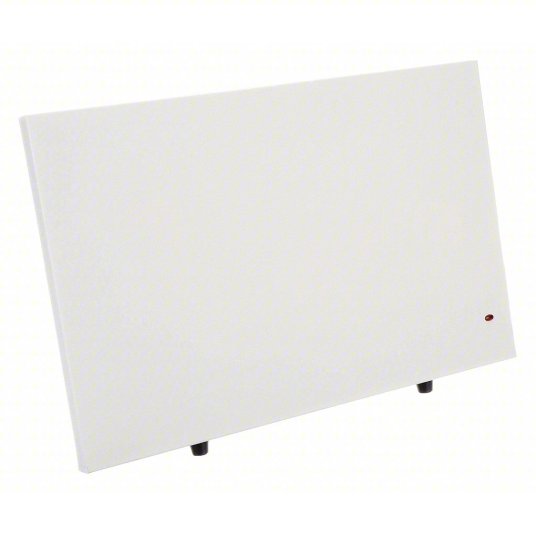
Yes Grainger / QMARK 1DKW3 170 $172 22"x1"x15" Radiant Non-oscillating Electric Flat Panel Heater, White 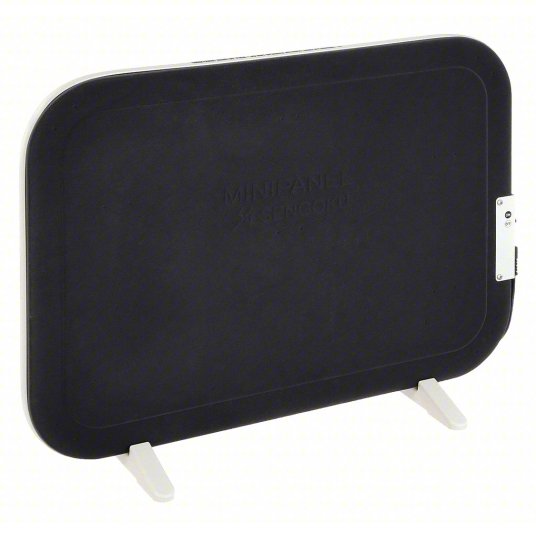
Yes Grainger / SENGOKU 4NHG9 150 $78 21"x1"x15" Radiant Non-oscillating Electric Flat Panel Heater, Black 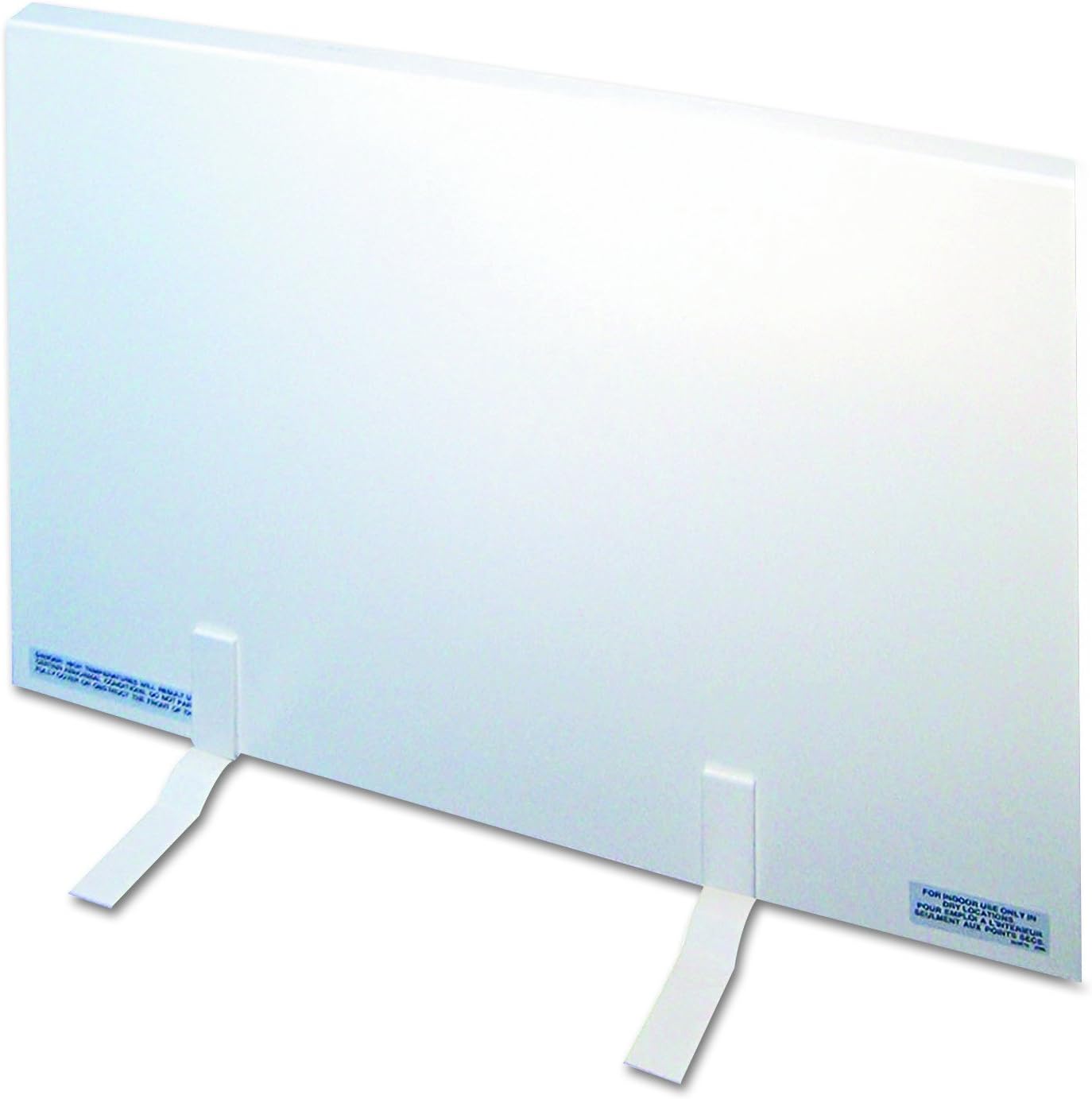
Yes Amazon / TATCO 39000 150 $95 23" x 1" x 16" Heating Panel Heater, Metal Case, White 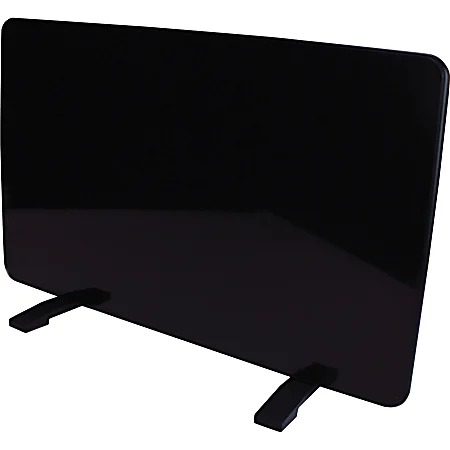
Yes Office Depot / TATCO 982202 200 $112 Energy Saving Heating Panel, 12"x18.8"x1/2", Wall Mount or Stand, Black Note: This information does not pertain to MSU Student Life and Engagement buildings, offices or departmental spaces.
- How will the temperature be monitored?
Spaces controlled by Direct Digital Control (DDC) will be monitored and adjusted automatically to meet setpoints of 75°F during cooling season and 68°F during heating season.
- What should departments do if they require an exception?
Departments can submit an exception request form to IPF Central Control for review.
Requests must be submitted using a Service Request. Additional information is available in the policy under "Requesting Services" Tier I through Tier IV.
- How will the policy be enforced?
Compliance will be monitored through random visits to departments, and high-performing departments will be recognized for their sustainability efforts.
Exemptions
There are spaces on campus that are exempt from the policy due to their specific requirements. The list of exempt locations is as follows:
- Laboratory and research spaces requiring specific temperature ranges to preserve scientific integrity or equipment functionality, including vivarium spaces
- Programmatic spaces, including:
- Music Building (piano storage and performance / practice / studio areas)
- Crescent Road Data Center
- Kellogg Hotel & Conference Center (meeting and hotel rooms only)
- Henry Center for Executive Development (meeting rooms only)
- Breslin Student Events Center (arena, practice gyms, and coaches' offices)
- Munn Ice Arena (ice arena and coaches' offices)
- Skandalaris Football Center and the Tom Izzo Football building academic center (excluding Clara Bell Smith Student-Athlete Academic Center)
- Spartan Stadium (excluding the office spaces on the second and third floors)
- MSU Union (ballroom only)
- Livestock Pavilion
- Auditorium (performance spaces only)
- Wharton Center for Performing Arts (performance spaces and piano storage)
- MSU Museum
- Kresge Art Museum
- Eli & Edythe Broad Art Museum
- IM West (natatorium space)
- IM Circle (natatorium space)
- Student Recreation Center (natatorium space)
If you believe your space has a unique need you can submit a request for a modification. Requests must be submitted using a Service Request. For emergencies or immediate assistance, call (517) 353-1760. Billing will occur as appropriate. Additional information is available in the policy under "Requesting Services" Tier I through Tier IV.